

Business tax planning can help you look beyond routine expenses and identify activities that may have tax implications and potential business tax credits. Throughout the year, hiring, investments, research, employee benefits, and other business activities may create potential tax-credit opportunities worth reviewing before it’s time to file. A tax credit can directly reduce the amount of tax owed, while a deduction generally reduces taxable income. Still, spotting a potential credit doesn’t mean your business automatically qualifies. Eligibility depends on the specific credit, the activity involved, and the requirements that apply. A thoughtful approach to tax planning can help businesses identify potential opportunities and prepare for a smoother tax filing process.
Why Business Tax Planning Should Start Before Tax Filing
Waiting until tax season to think about taxes can leave a business with limited time to review its options. Planning ahead gives you a chance to look at what happened throughout the year, identify potential tax-credit opportunities, check whether the business may meet applicable requirements, and gather the information needed to support them. It also gives you time to address missing records and make informed year-end decisions while there’s still an opportunity to do so.
That’s different from business tax preparation, which focuses on organizing financial information and completing the tax return. Planning happens before that stage. By starting early, businesses can approach business tax filing with a clearer picture of what needs to be reviewed. Professional tax filing services can also help keep the process organized from planning through filing.
1. Review Hiring and Payroll for Potential Tax Credits
Hiring decisions can sometimes create tax-credit opportunities, so payroll deserves a closer look during business tax planning. Review new hires, employee eligibility, wages, and payroll records to see whether any employees fall within categories that may qualify for a credit. Employer-paid benefits and other workforce-related expenses may also deserve review.
You don’t need to assume that every new employee qualifies. Instead, use your hiring and payroll activity as a starting point for identifying situations that may warrant a closer tax review.
Ask yourself: Did our hiring and payroll activity create a potential tax-credit opportunity?
2. Examine Business Investments and Major Purchases
Business investments can have tax implications that go beyond the cost of the purchase itself. Review major spending from the year, including equipment, technology, energy improvements, and other qualifying property. The timing and nature of these purchases may also matter when determining whether they deserve a closer tax-credit review.
Instead of looking at each purchase only as an expense, consider the broader tax picture. A major investment may create an opportunity that could be missed if it’s reviewed only when the return is being prepared.
Consider this: What has the business invested in, and could any of those investments qualify for a tax benefit?
3. Look at Research, Development, and Innovation Expenses
Research-related work can happen in many types of businesses, even when the company doesn’t have a traditional research laboratory. Review activities such as product development, testing, software development, technical experimentation, and process improvements. These activities may involve expenses that deserve a closer look under applicable research-related tax rules.
The key is to look beyond how the business describes its work. A project focused on developing, testing, or improving a product or process may raise questions about whether certain expenses qualify for a research-related tax credit. Reviewing these activities during the year can make it easier to identify potential opportunities before business tax preparation begins.
Consider this: What work did the business perform that may qualify for a research-related credit?
4. Consider Tax Credits Before Making Major Business Decisions
Tax planning shouldn’t only look at what your business has already done. It can also help you think ahead. Before hiring employees, expanding operations, starting a new project, purchasing equipment, investing in technology, offering employee benefits, or making other business improvements, consider whether the decision could have tax implications worth reviewing.
The goal isn’t to assume that every major decision will create a tax credit. It’s about bringing tax considerations into the conversation before the decision is finalized. Reviewing a planned activity early can give you time to understand the applicable requirements and determine whether it may create a potential tax-credit opportunity.
Ask yourself: What are we planning to do, and could that decision create a tax benefit?
5. Don't Wait Until Tax Season to Review Potential Credits
By tax season, many business decisions have already been made. A last-minute review can also make it harder to answer eligibility questions or locate information from earlier in the year.
Reviewing potential credits before filing gives you more time to investigate questions and organize the information needed for business tax filing. It can also make the transition to tax preparation services and tax filing services smoother, particularly when a business has both federal and state filing responsibilities.
6. Keep the Right Records to Support Tax Credit Claims
Finding a potential tax credit is only the beginning. Your business also needs appropriate records to support the information reported on the tax return.
Keep payroll and employee records, invoices, receipts, research documentation, investment records, project details, and supporting tax forms organized throughout the year. Good recordkeeping makes it easier to verify business activity, support eligible expenses, and provide the information needed during tax preparation.
Keeping these records as you go is much easier than trying to piece everything together when filing time arrives.
Business Activities Worth Reviewing for Potential Tax Credits
Not every tax-credit opportunity is obvious when you’re reviewing a business’s finances. Certain activities, expenses, and business decisions may deserve a closer look. The examples below can help identify areas that may warrant further review, but eligibility depends on the applicable requirements, the type of expense, and the business’s specific circumstances.
Business Activity | What to Review | Potential Credit Area |
Hiring new employees | Employee eligibility and payroll records | Work Opportunity Tax Credit |
Product or process development | Qualified research expenses | Research Credit |
Energy improvements | Qualifying property and project costs | Energy-related credits |
Starting a retirement plan | Eligible startup costs | Retirement plan startup credit |
Providing employee childcare | Qualified employer expenses | Employer-provided childcare credit |
A Simple Year-Round Business Tax Planning Calendar
Tax planning doesn’t have to be a once-a-year task. A quick review throughout the year can help a business spot potential opportunities, address documentation gaps, and stay better prepared for filing. A simple quarterly review can keep tax considerations on the radar without waiting until the return is due.
Period | Tax Planning Review | What to Look For |
Q1 | Review prior-year activity | Potential missed credits and documentation gaps |
Q2 | Review hiring and business spending | New credit opportunities |
Q3 | Review investments and projects | Potential qualifying expenses |
Q4 | Complete year-end review | Credits, deductions, and filing documentation |
The goal isn’t to predict every tax issue months in advance. It’s to create a regular habit of reviewing business activity while the details are still easy to find and evaluate.
So, when should you review these things? Throughout the year, not just when tax season arrives.
When Should You Work With a Professional Tax Preparer?
Professional guidance can be especially useful when a business has several areas to review before filing. A tax preparer in San Leandro or the Bay Area can help business owners assess potential tax credits related to recent hires, major investments, research and development, and other qualifying activities. Working with a professional tax preparer can also help clarify which activities may qualify for tax credits.
Professional support can be valuable when your business has both federal and California tax responsibilities or when you want to take a year-round approach instead of waiting until tax season. A business tax preparer can review relevant business activities and records, while small business tax services can help keep tax planning and preparation organized.
Don't Forget Federal and California Tax Planning
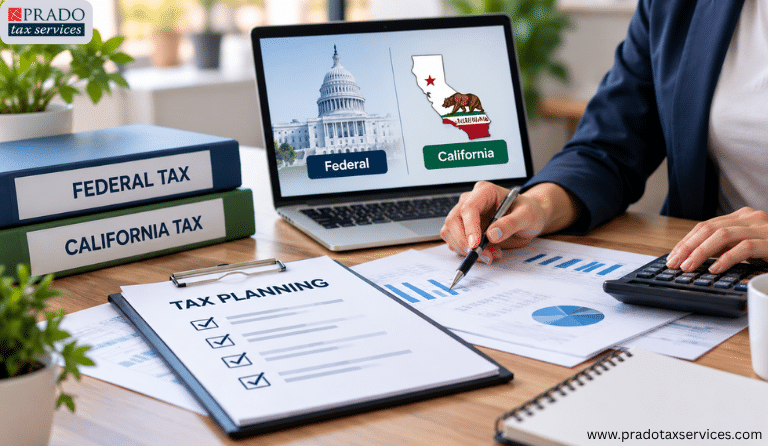
If your business operates in California, tax planning may involve both federal and state rules. A credit available for federal tax filing isn’t automatically available in the same way on a California return. California generally conforms to federal tax law with modifications, but there are continuing differences between federal and California tax rules.
That makes it worth reviewing both sides when preparing for business tax filing. Before assuming a potential tax benefit applies to your California business tax situation, check the specific federal and California requirements. The same activity may receive different treatment at the state level, and California may not conform to every federal tax provision.
For businesses handling both state tax filing and California state tax filing, along with federal requirements, reviewing the applicable rules separately can help prevent assumptions from carrying over from one return to the other. The IRS provides information on federal business credits, while the California Franchise Tax Board provides guidance on California business credits and federal conformity.
The takeaway: Federal and California tax planning should be reviewed together, but they shouldn’t be treated as identical.
Business and Personal Tax Planning Can Overlap
For many business owners, business and personal tax planning are closely connected. When business income flows through to the owner’s personal return, decisions made at the business level can affect the owner’s overall personal tax situation. That makes it helpful to consider both sides when planning throughout the year. Professional personal tax preparation can help keep the personal side aligned with business activity, while timely personal tax filing helps ensure the related information is reported properly.
Questions to Ask Before Your Business Tax Return Is Filed
Before filing your business tax return, take a moment to ask:
- Did we hire anyone who may qualify for a business tax credit?
- Did we make investments that deserve a tax review?
- Did we conduct potentially qualifying research or development?
- Do we have the records needed to support potential credits?
- Have we reviewed our federal and California tax considerations?
Get More From Business Tax Planning Before You File
Business tax planning isn’t simply about preparing a return. It’s about reviewing your business activities, recognizing potential tax-credit opportunities, considering tax implications before making major decisions, and keeping the records needed to support those opportunities.
A year-round approach can help you stay prepared and make more informed tax decisions before filing time. With the right planning and professional guidance, you can approach your business tax return with a clearer picture of your tax situation.
Need help reviewing your business tax situation? Contact Prado Tax Services for professional tax preparation, tax filing, and year-round business tax planning support.
Frequently Asked Questions About Business Tax Planning and Tax Credits
A tax credit directly reduces the amount of tax owed, while a tax deduction reduces the amount of income subject to tax. The value and eligibility requirements can vary depending on the specific credit or deduction.
Yes. Tax credits aren't limited to large companies. Depending on the business's activities and circumstances, a small business may qualify for certain credits related to hiring, research, investments, employee benefits, or other qualifying activities.
Businesses generally need records that show the activity, expense, and other information supporting the credit. The exact documentation depends on the specific tax credit and its requirements.
No. Federal and California tax rules don't always treat tax credits the same way. A credit available for federal tax purposes may have different rules or treatment for California state tax filing, so businesses should review both requirements.
Yes. A professional tax preparer can review business activities, expenses, and records to help identify potential tax-credit opportunities and determine what additional documentation or eligibility review may be needed before filing. Business tax services can also help businesses stay organized throughout the tax year.